
Dementia Prevention: What We Know, What We Can Do
While there is no cure for Alzheimer's, the evidence for prevention through lifestyle is compelling. Physical activity, cognitive engagement, and social connection reduce dementia risk by up to 35%.
Dementia is not an inevitable consequence of aging. While the risk increases with age, and while there is currently no cure for Alzheimer's disease, the evidence for prevention through lifestyle modification is among the most compelling in all of medicine.
The Scale of the Problem
India has approximately 5.3 million people living with dementia, and this number is projected to triple by 2050. The economic and human cost is enormous — dementia is one of the leading causes of disability and dependency in older adults, and the burden falls disproportionately on family caregivers.
The Lancet Commission: 40% of Dementia Is Preventable
The 2020 Lancet Commission on Dementia Prevention, Intervention, and Care — one of the most comprehensive analyses ever conducted — concluded that 40% of dementia cases worldwide could be prevented or delayed by addressing 12 modifiable risk factors. These include:
- •Physical inactivity (the single largest modifiable risk factor)
- •Hypertension in midlife
- •Obesity
- •Diabetes
- •Depression
- •Social isolation
- •Excessive alcohol consumption
- •Smoking
- •Air pollution
- •Traumatic brain injury
- •Hearing loss
- •Low education
How Exercise Prevents Dementia
Physical exercise reduces dementia risk through multiple mechanisms: it increases BDNF (brain-derived neurotrophic factor), which promotes neuronal survival and growth; it improves cerebrovascular health, reducing the risk of vascular dementia; it reduces neuroinflammation; and it builds cognitive reserve, increasing the brain's resilience against pathological changes.
A meta-analysis of 15 prospective studies found that regular physical activity reduced the risk of Alzheimer's disease by 45% and all-cause dementia by 28%. These are not marginal effects — they represent a dramatic reduction in one of the most feared conditions of aging.
Cognitive Engagement and Social Connection
Physical activity is necessary but not sufficient. Cognitive engagement — learning new skills, reading, playing music, engaging in mentally stimulating activities — builds synaptic density and cognitive reserve. Social connection reduces depression and loneliness, both of which are independent risk factors for dementia.
The most effective dementia prevention programs are multimodal, addressing physical, cognitive, and social dimensions simultaneously. This is the approach embedded in the Praan Health model.
The Role of Praan Health Coaches
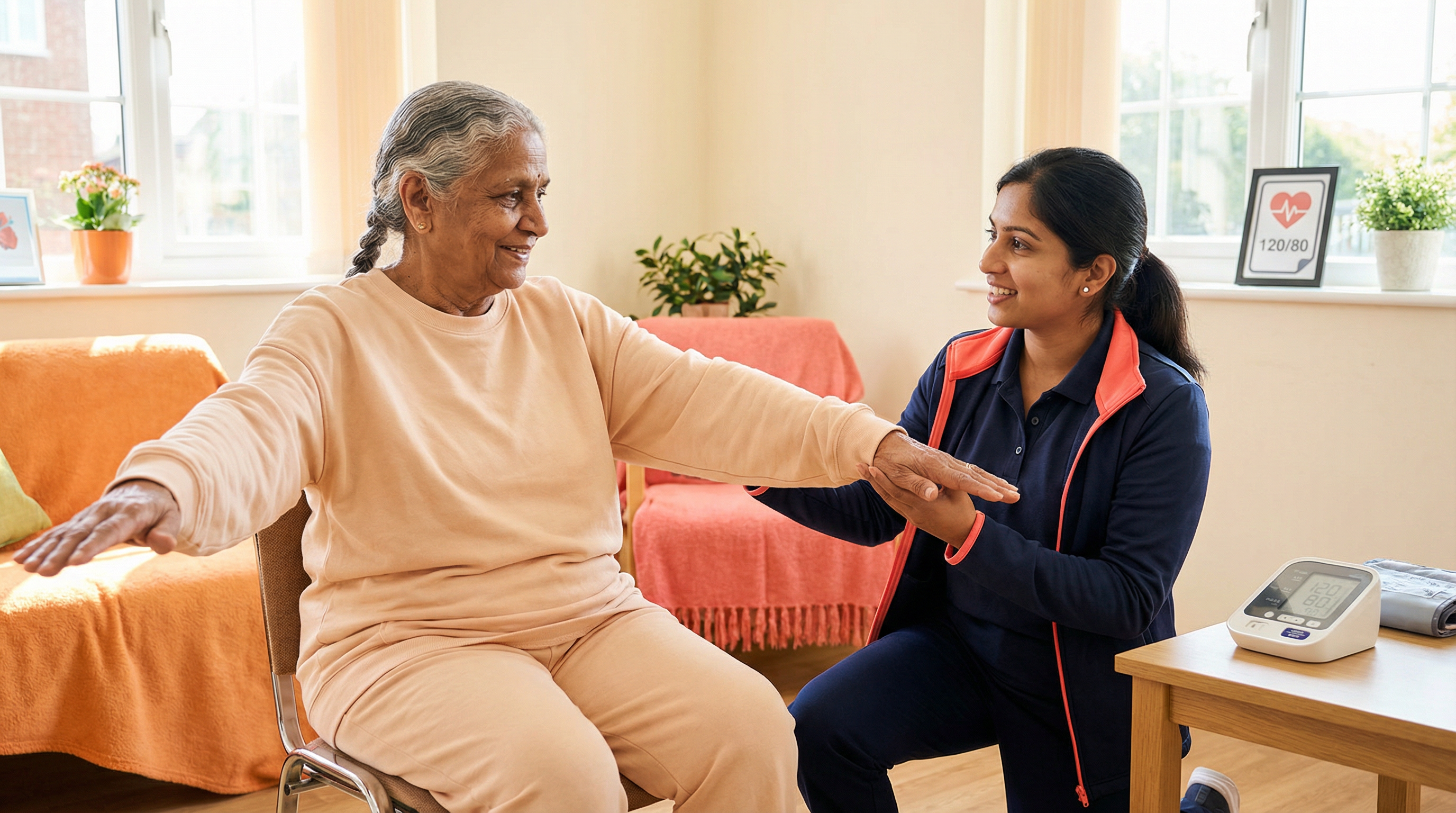
PHA coaches incorporate cognitive elements into exercise sessions — dual-task training, novel movement patterns, memory games — and actively encourage social engagement. They also screen for depression and cognitive impairment using validated tools, facilitating early referral when indicated. In a country with almost no dementia prevention infrastructure, this proactive approach represents a genuine public health intervention.
References & Further Reading
- [1]Livingston G et al. Dementia prevention, intervention, and care: 2020 report of the Lancet Commission. Lancet. 2020;396(10248):413-446.
- [2]Norton S et al. Potential for primary prevention of Alzheimer's disease: an analysis of population-based data. Lancet Neurol. 2014;13(8):788-94.
Category
Learn This in 21 Days
Everything in this article is taught in depth during the PHA certification program.
Enroll Free
Ready to Apply This Knowledge?
The PHA 21-day certification teaches you to apply evidence-based senior healthcare with real patients.