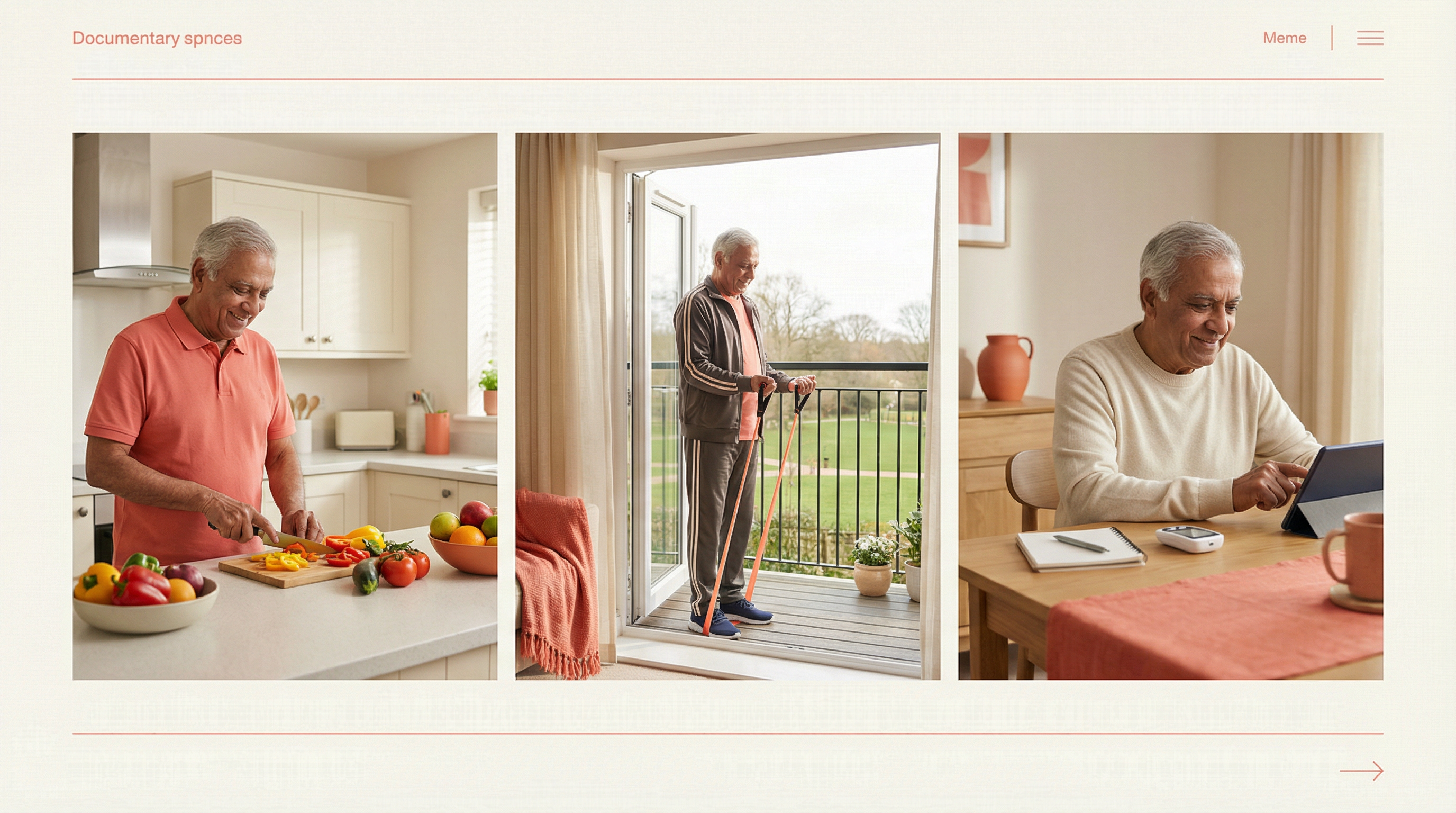
Hypertension in the Elderly: Why 'Take It Easy' Is the Wrong Advice
High blood pressure affects 60% of Indians over 60. The conventional advice to rest and avoid exertion is not just unhelpful — it's counterproductive. Here's what the evidence says about exercise and blood pressure management.
Hypertension — defined as blood pressure above 130/80 mmHg — affects approximately 60% of Indians over the age of 60. It is the single largest risk factor for stroke, heart attack, and kidney disease. Yet the management of hypertension in elderly Indians is often limited to medication, with little attention to the lifestyle interventions that can be equally or more effective.
Why the 'Rest and Avoid Exertion' Advice Is Wrong
The instinct to protect a hypertensive patient from physical stress is understandable but misguided. Acute exercise does raise blood pressure temporarily — but this is a normal physiological response, not a danger signal for most patients. The chronic effect of regular exercise is the opposite: a sustained reduction in resting blood pressure.
A meta-analysis of 93 randomised controlled trials found that aerobic exercise reduces systolic blood pressure by an average of 3.5 mmHg and diastolic by 2.5 mmHg. In hypertensive individuals, the effect is larger — reductions of 8–10 mmHg systolic are commonly reported. This is comparable to the effect of a single antihypertensive medication.
The Mechanisms
Exercise lowers blood pressure through multiple pathways:
- •Reduced sympathetic nervous system activity: Regular exercise reduces the chronic sympathetic overdrive that characterises hypertension
- •Improved endothelial function: Exercise stimulates nitric oxide production, causing vasodilation
- •Reduced arterial stiffness: Regular aerobic exercise partially reverses the arterial stiffening that drives systolic hypertension in the elderly
- •Weight reduction: Exercise contributes to weight loss, which independently reduces blood pressure
Exercise Prescription for Hypertensive Elderly Patients
The evidence supports moderate-intensity aerobic exercise (brisk walking, cycling, swimming) for 30–45 minutes on most days of the week. Resistance training also lowers blood pressure, though the effect is smaller than for aerobic exercise.
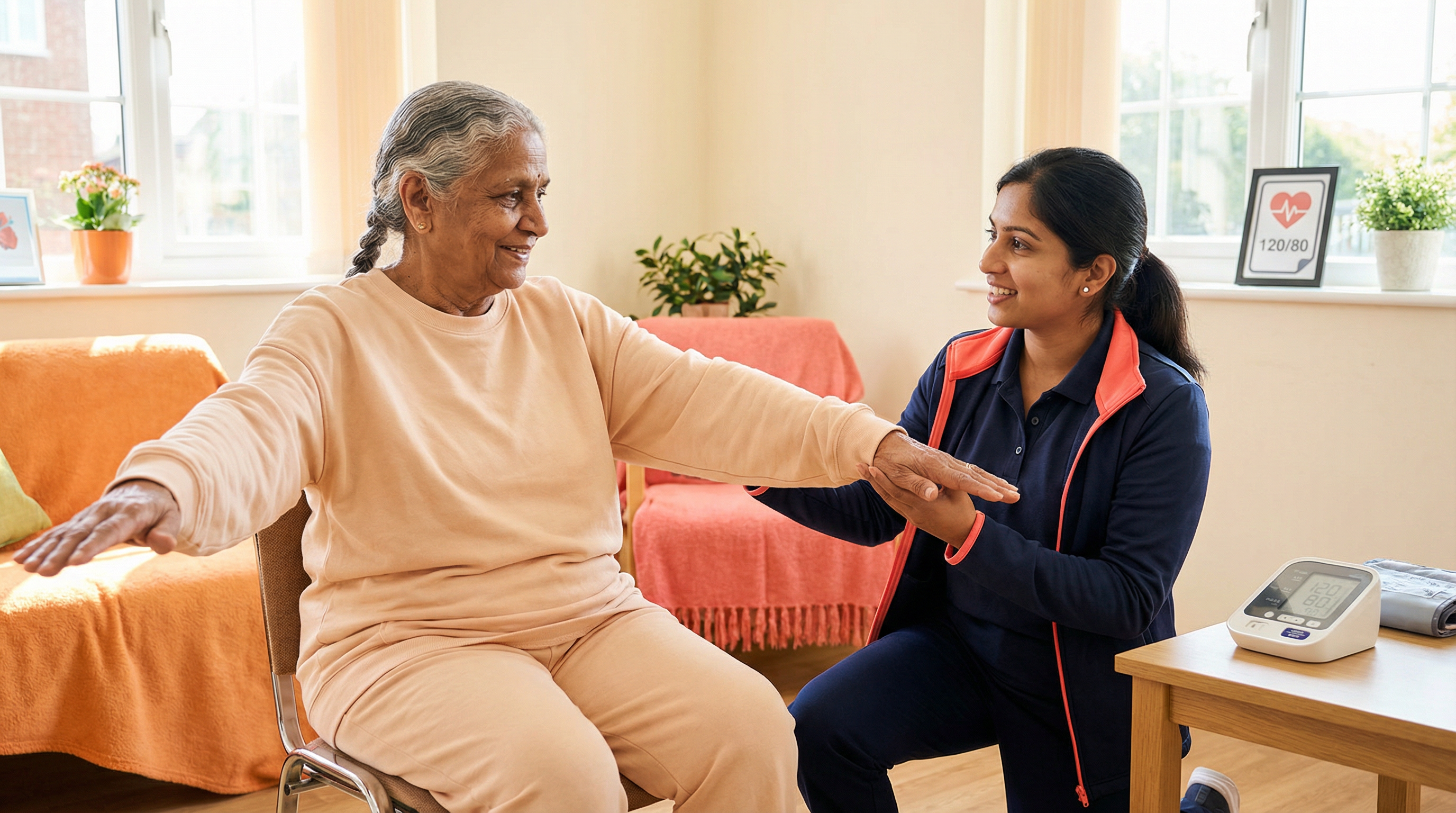
Important considerations for elderly hypertensive patients include: avoiding the Valsalva manoeuvre (breath-holding during resistance exercise, which causes dangerous blood pressure spikes), ensuring adequate warm-up and cool-down, monitoring blood pressure before and after exercise sessions, and being aware of antihypertensive medications that may cause orthostatic hypotension.
The Praan Health Approach
PHA coaches are trained to work within the medical context of hypertension management. They communicate with the patient's physician, monitor blood pressure at each session, and adjust exercise intensity based on readings. This clinical integration — exercise as medicine, not just fitness — is what makes the PHA approach distinctive.
References & Further Reading
- [1]Pescatello LS et al. Exercise and hypertension. Med Sci Sports Exerc. 2004;36(3):533-53.
- [2]Cornelissen VA, Smart NA. Exercise training for blood pressure: a systematic review and meta-analysis. J Am Heart Assoc. 2013;2(1):e004473.
Category
Learn This in 21 Days
Everything in this article is taught in depth during the PHA certification program.
Enroll Free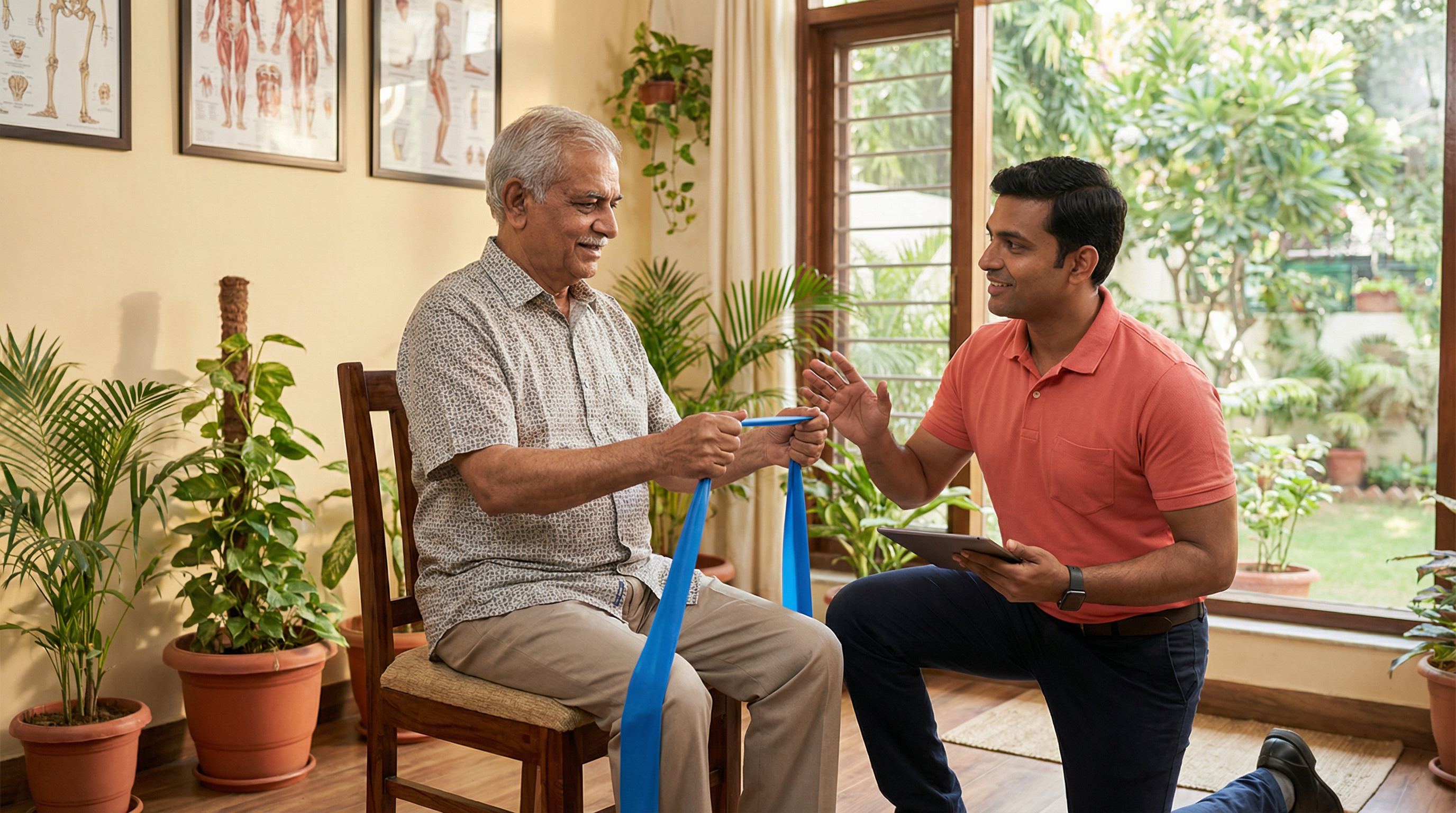
Ready to Apply This Knowledge?
The PHA 21-day certification teaches you to apply evidence-based senior healthcare with real patients.