Neuroplasticity After 60: The Brain's Remarkable Ability to Adapt
Despite losing neurons with age, the brain retains the ability to form new connections throughout life. Exercise is the most powerful stimulant of neuroplasticity — here's the evidence.
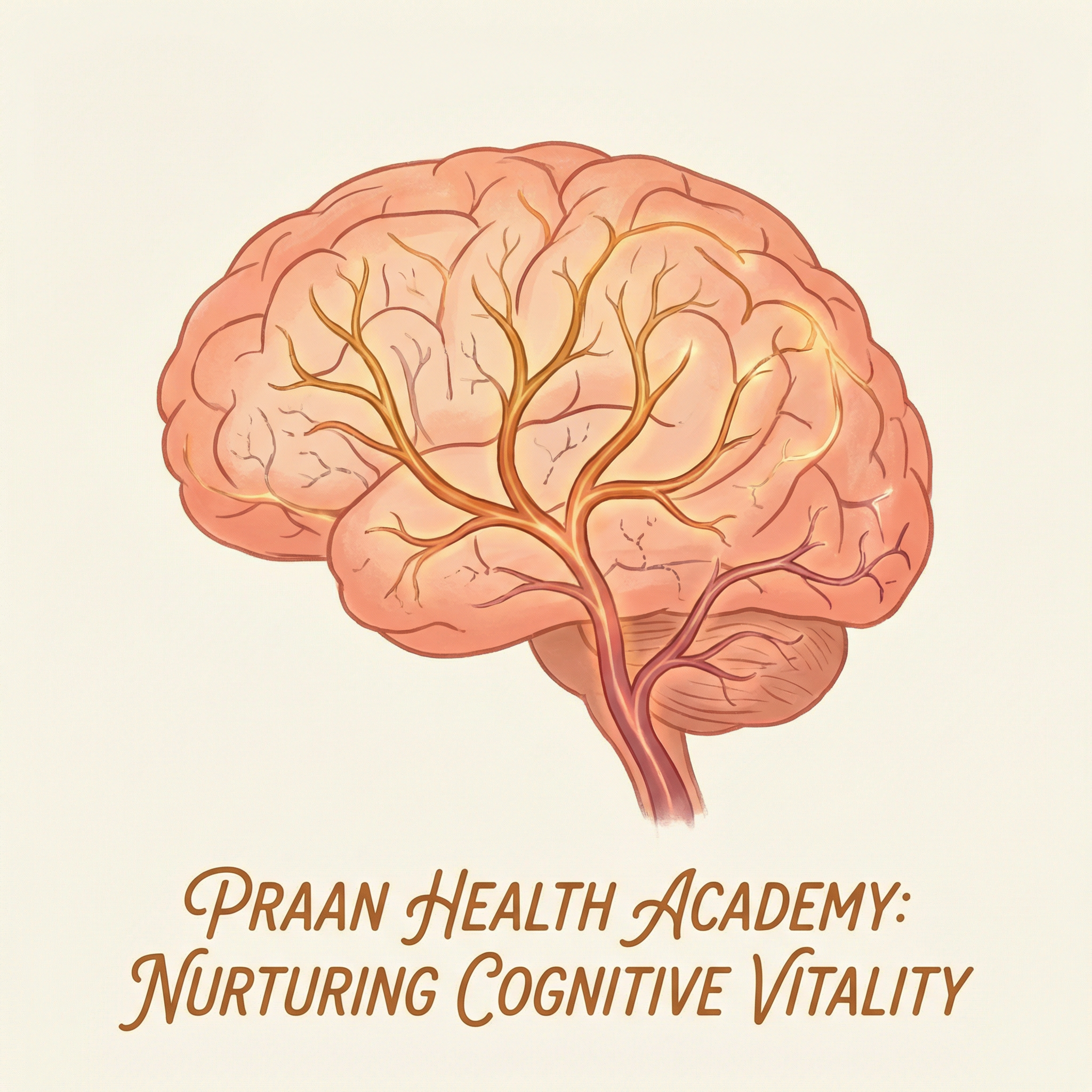
The prevailing view of the aging brain — that it is in inevitable, irreversible decline — is being overturned by decades of neuroscience research. The brain retains remarkable plasticity throughout life, and the most powerful tool for harnessing that plasticity is physical exercise.
What Neuroplasticity Means
Neuroplasticity refers to the brain's ability to reorganise itself by forming new neural connections. This includes synaptogenesis (formation of new synapses), neurogenesis (formation of new neurons, primarily in the hippocampus), and synaptic strengthening (reinforcement of existing connections through use).
For decades, it was believed that neurogenesis stopped after early childhood. We now know this is wrong. The hippocampus — the brain region critical for memory formation and spatial navigation — continues to generate new neurons throughout life. This process is dramatically enhanced by aerobic exercise.
The BDNF Connection
Brain-Derived Neurotrophic Factor (BDNF) is sometimes called "Miracle-Gro for the brain." It promotes the survival of existing neurons, encourages the growth of new neurons and synapses, and supports the learning and memory processes that depend on hippocampal function.
Exercise is the most powerful known stimulant of BDNF production. A single bout of aerobic exercise increases BDNF levels in the blood and brain. Regular exercise produces sustained elevation of BDNF, leading to measurable increases in hippocampal volume — a finding replicated in multiple randomised controlled trials.
The Landmark Erickson Study
A 2011 study by Erickson and colleagues at the University of Pittsburgh randomised 120 older adults to either aerobic exercise or stretching for one year. The aerobic exercise group showed a 2% increase in hippocampal volume — effectively reversing 1–2 years of age-related hippocampal atrophy. The stretching group showed the expected 1.4% decline.
Critically, the increase in hippocampal volume was associated with improved spatial memory performance. This is not a statistical abstraction — it represents a real, measurable improvement in the brain function that matters most for daily life.
Cognitive Reserve and the Prevention of Dementia
Cognitive reserve refers to the brain's resilience against damage — the ability to maintain function despite pathological changes. Exercise builds cognitive reserve by increasing synaptic density, promoting vascular health in the brain, and reducing neuroinflammation.
The evidence that exercise reduces dementia risk is compelling. A meta-analysis of 15 prospective studies found that regular physical activity reduced the risk of Alzheimer's disease by 45% and all-cause dementia by 28%. These are effects comparable to the best pharmaceutical interventions — without the side effects.
Implications for Praan Health Coaches
PHA coaches incorporate cognitive elements into exercise programs — dual-task training (walking while counting backwards), novel movement patterns, and coordination exercises — that challenge the brain alongside the body. This integrated approach maximises the neuroplastic benefits of exercise and provides a richer, more engaging experience for elderly clients.
References & Further Reading
- [1]Erickson KI et al. Exercise training increases size of hippocampus and improves memory. PNAS. 2011;108(7):3017-22.
- [2]Bherer L et al. A review of the effects of physical activity and exercise on cognitive and brain functions in older adults. J Aging Res. 2013.
Category
Learn This in 21 Days
Everything in this article is taught in depth during the PHA certification program.
Enroll Free
Ready to Apply This Knowledge?
The PHA 21-day certification teaches you to apply evidence-based senior healthcare with real patients.