Loneliness and Physical Health: The Hidden Chronic Condition
Loneliness increases mortality risk by 26% — comparable to smoking 15 cigarettes a day. For India's elderly, social isolation is a growing epidemic. Here's how Praan Health coaches address the social determinants of health.
The health consequences of loneliness are physiological, not just emotional. A landmark meta-analysis of 148 studies found that social isolation increases mortality risk by 26% — an effect comparable to smoking 15 cigarettes a day, and greater than the effect of obesity or physical inactivity.
The Biology of Loneliness
Loneliness is not merely an unpleasant feeling — it is a biological state that activates the body's stress response systems. Lonely individuals show elevated cortisol levels, increased inflammatory markers (IL-6, TNF-alpha, CRP), impaired immune function, and disrupted sleep architecture.
These physiological changes have real health consequences. Lonely elderly individuals have higher rates of cardiovascular disease, cognitive decline, depression, and all-cause mortality. The mechanism is clear: chronic activation of the stress response damages the cardiovascular system, suppresses immune function, and accelerates brain aging.
The Indian Context
India's traditional joint family system provided natural social integration for elderly members. As urbanisation and nuclear family structures have become more prevalent, this traditional support system has eroded. Elderly Indians who live alone — a growing demographic — are at particularly high risk for social isolation.
The COVID-19 pandemic dramatically accelerated social isolation among the elderly, and its effects are still being felt. Many elderly Indians who reduced their social activities during the pandemic have not returned to their pre-pandemic social engagement levels.
Exercise as a Social Intervention
Group exercise programs are particularly valuable for elderly patients because they address both physical and social dimensions of health simultaneously. The social bonds formed in a group exercise setting — with peers and with the coach — provide genuine social connection that reduces loneliness.
PHA coaches are trained to facilitate group dynamics, encourage peer support, and create an environment where elderly patients feel genuinely seen and valued. This is not incidental to the exercise program — it is an integral part of the therapeutic intervention.
The Praan Health Model
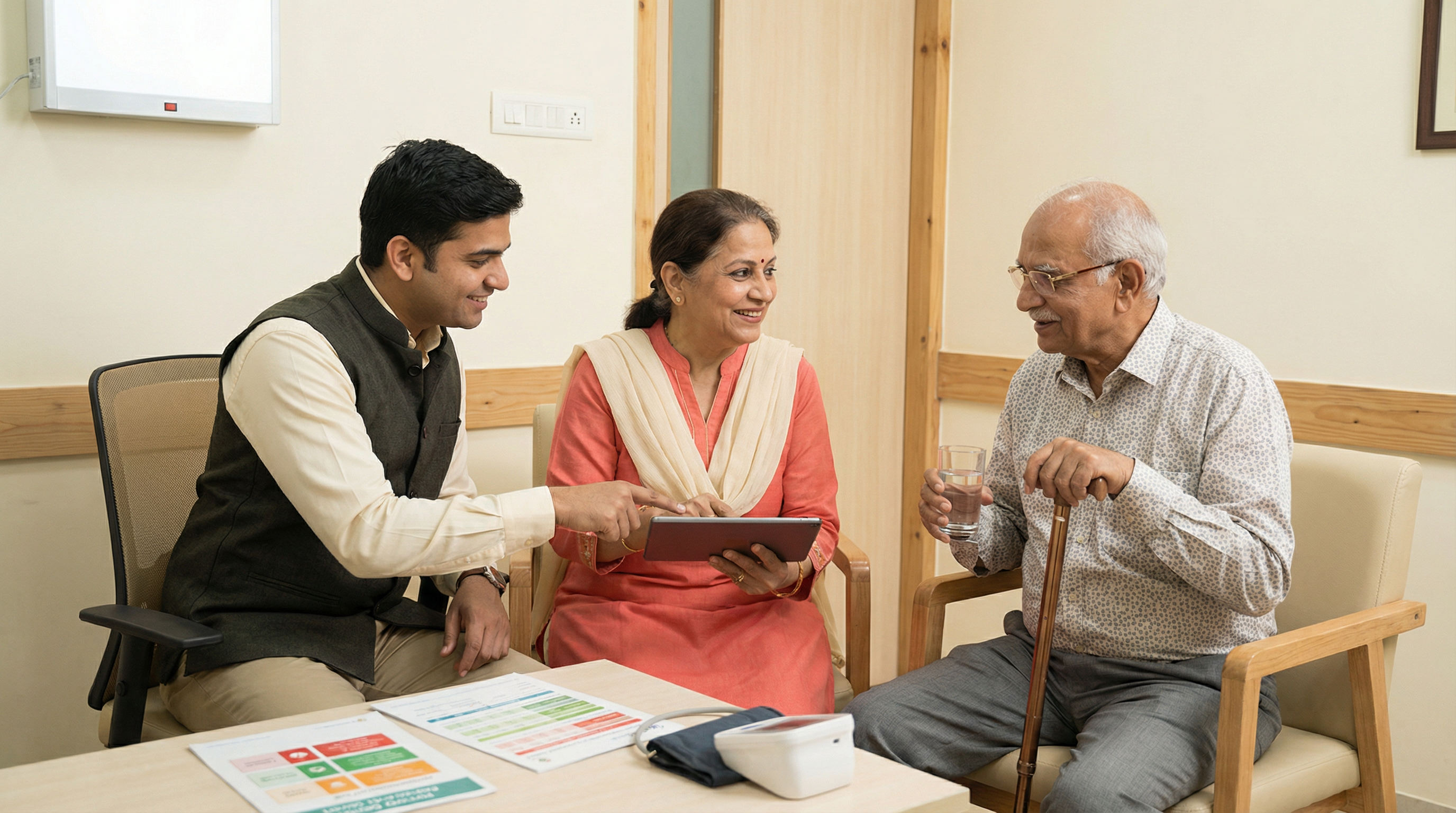
Praan Health's group-based care model is specifically designed to address social isolation. Elderly clients attend regular sessions with the same coach and the same peer group, building relationships over time. The coach serves not just as a fitness professional but as a trusted health partner — someone who knows the patient's history, notices when they seem low, and provides consistent human connection.
This relational dimension of care — often invisible in outcome data but deeply felt by patients and families — is one of the most important things Praan Health provides.
References & Further Reading
- [1]Holt-Lunstad J et al. Loneliness and social isolation as risk factors for mortality: a meta-analytic review. Perspect Psychol Sci. 2015;10(2):227-37.
- [2]Cacioppo JT, Cacioppo S. Social relationships and health: the toxic effects of perceived social isolation. Soc Personal Psychol Compass. 2014;8(2):58-72.
Category
Learn This in 21 Days
Everything in this article is taught in depth during the PHA certification program.
Enroll Free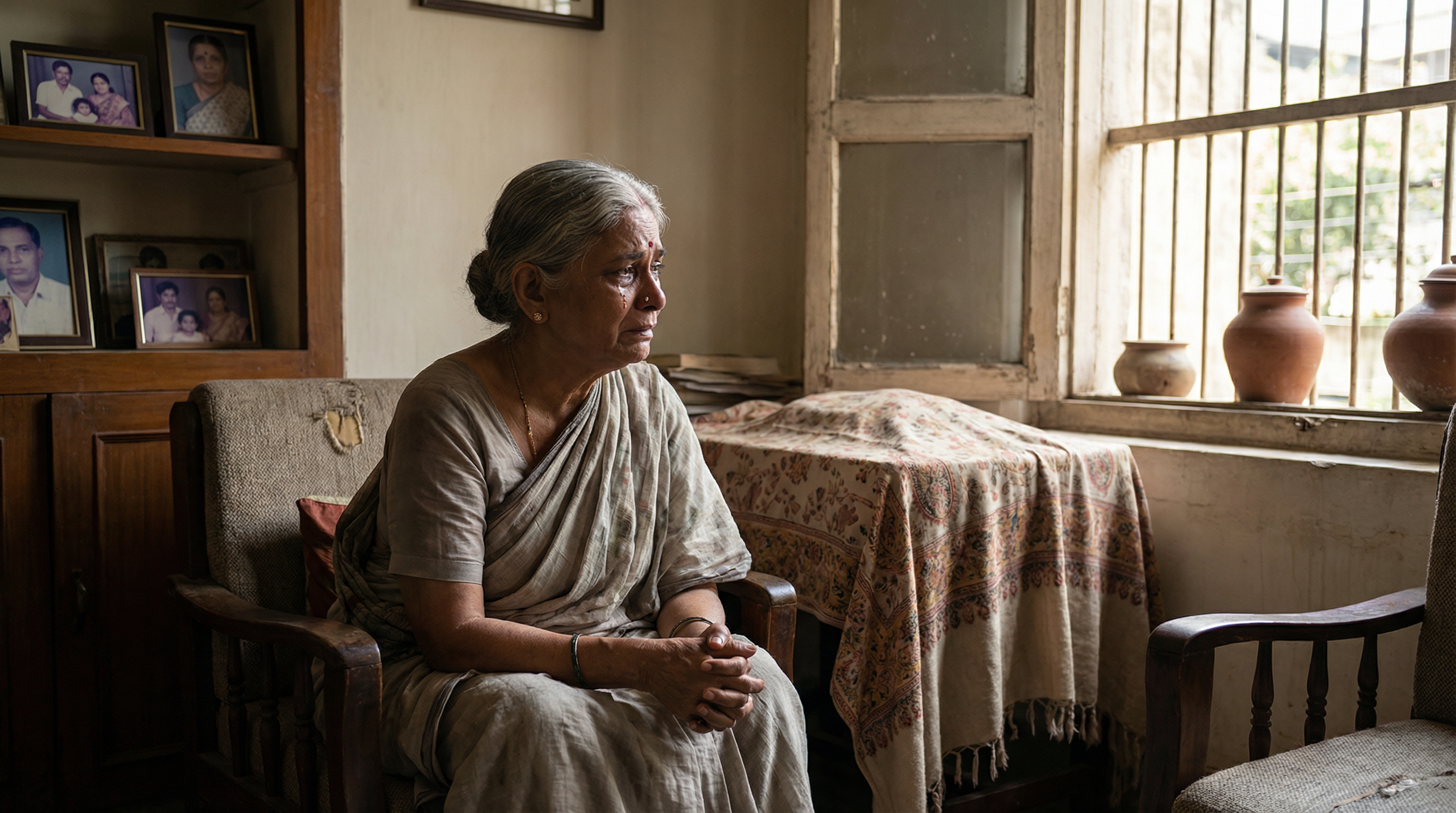
Ready to Apply This Knowledge?
The PHA 21-day certification teaches you to apply evidence-based senior healthcare with real patients.