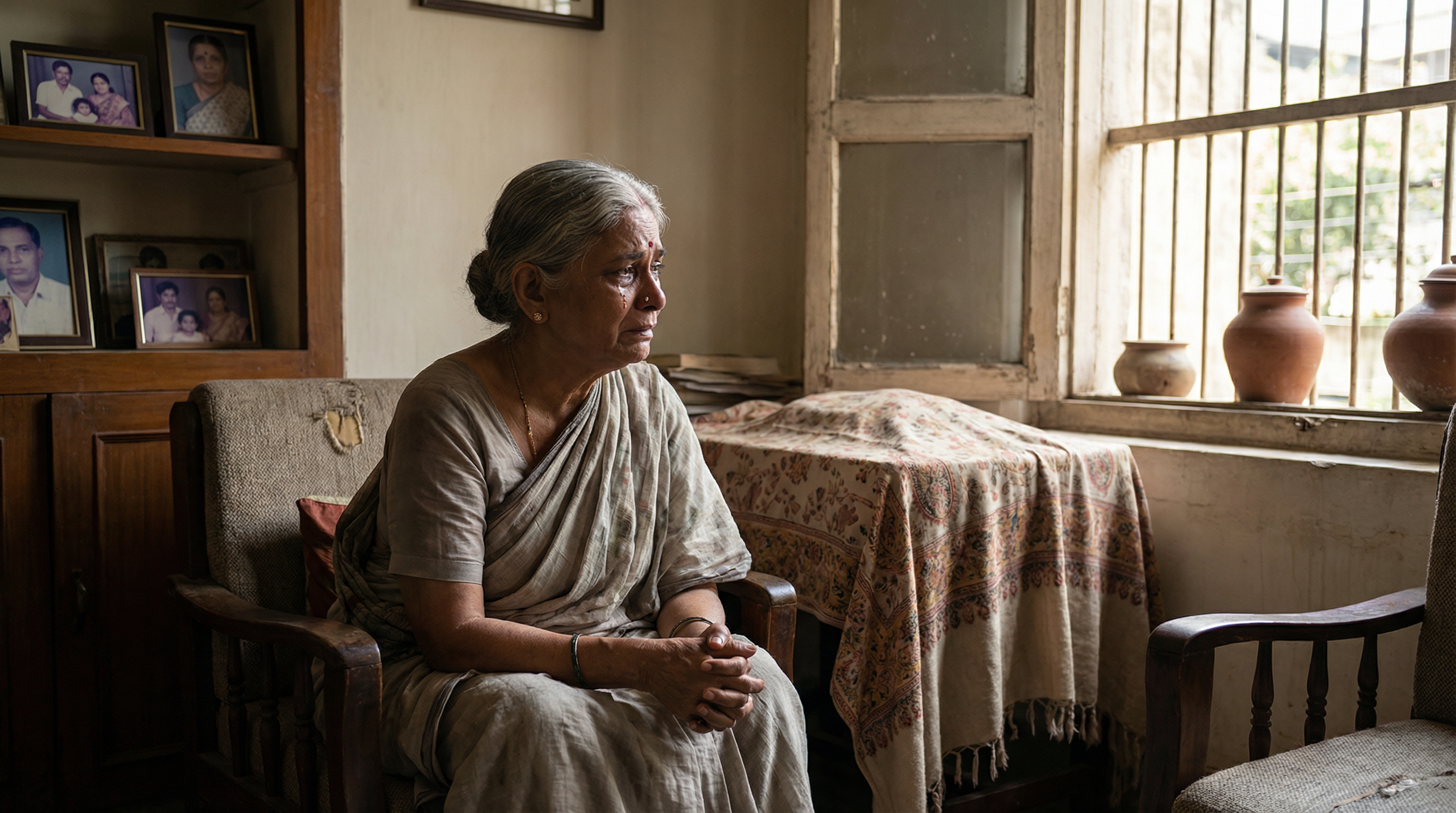
Depression in the Elderly: The Most Underdiagnosed Condition in Indian Seniors
Depression affects 15–25% of elderly Indians, yet fewer than 10% receive treatment. The stigma around mental health, combined with somatic presentation, makes it easy to miss. Here's what senior healthcare specialists need to know.
Depression in the elderly presents differently than in younger adults — and this difference is one reason it is so frequently missed. Understanding the unique presentation of geriatric depression is an essential competency for any senior healthcare specialist.
The Scale of the Problem
Depression affects 15–25% of elderly Indians — a prevalence comparable to hypertension and diabetes. Yet fewer than 10% of affected individuals receive any form of treatment. This treatment gap is one of the most significant failures of India's healthcare system.
The consequences of untreated depression in the elderly are severe. Depression accelerates cognitive decline, increases the risk of dementia, impairs immune function, worsens outcomes in all chronic diseases, and dramatically increases mortality risk. A depressed elderly patient with diabetes has significantly worse glycaemic control than a non-depressed patient on the same medication regimen.
Why Geriatric Depression Is Missed
Several factors contribute to the underdiagnosis of depression in elderly Indians:
Somatic presentation: Elderly patients with depression often present with physical complaints — fatigue, pain, sleep disturbance, appetite loss — rather than the sadness and hopelessness that characterise depression in younger adults. Physicians focused on physical symptoms may miss the underlying depression.
Stigma: Mental health stigma is pervasive in Indian society, particularly among older generations. Many elderly patients do not recognise their symptoms as depression, or are reluctant to disclose them.
Normalisation: Depression is often dismissed as a normal response to aging, loss, or illness — "Of course he's sad, he's 80 and his wife just died." While grief is normal, clinical depression is not, and it is treatable.
Cognitive overlap: Depression and early dementia share many symptoms (memory problems, reduced concentration, withdrawal), making differential diagnosis challenging.
The Role of Exercise in Depression Treatment
Exercise is one of the most effective treatments for depression — and this is particularly true in elderly patients. A landmark study by Blumenthal and colleagues found that aerobic exercise was as effective as antidepressant medication in treating major depression in older adults, and produced more durable remission (lower relapse rates at 10-month follow-up).
The mechanisms are well understood: exercise increases serotonin, dopamine, and norepinephrine — the same neurotransmitters targeted by antidepressant medications. It also reduces cortisol (the stress hormone), increases BDNF, and provides social engagement and a sense of accomplishment.
What Praan Health Coaches Do
PHA coaches are trained to screen for depression using the Geriatric Depression Scale (GDS-15), recognise the somatic presentation of geriatric depression, refer patients for formal psychiatric assessment when indicated, and incorporate exercise as a therapeutic tool in the management of depression. They also provide the social engagement and human connection that is itself therapeutic for isolated elderly patients.
References & Further Reading
- [1]Barua A et al. Prevalence of depressive disorders in the elderly of an urban community in West Bengal. Indian J Psychiatry. 2010;52(2):162-7.
- [2]Blumenthal JA et al. Exercise and pharmacotherapy in the treatment of major depressive disorder. Psychosom Med. 2007;69(7):587-96.
Category
Learn This in 21 Days
Everything in this article is taught in depth during the PHA certification program.
Enroll Free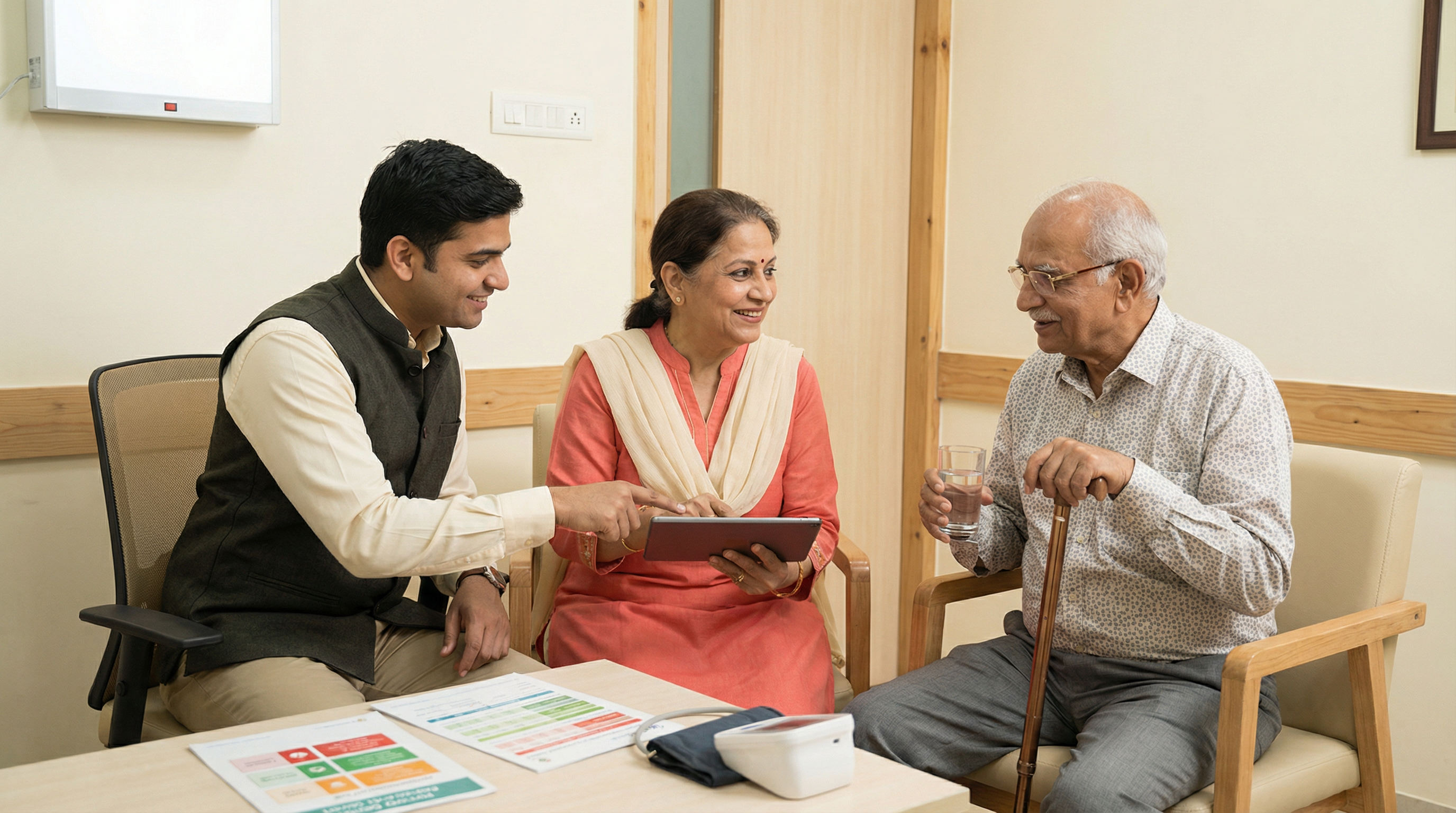
Ready to Apply This Knowledge?
The PHA 21-day certification teaches you to apply evidence-based senior healthcare with real patients.